
What to Do When Someone Dies: A Step-by-Step Guide
Losing someone you love can make even the simplest decisions feel overwhelming. In the first hours and days after a death, there are practical matters that need attention, but you don't have to handle everything at once.
This guide is designed to help you understand what generally needs to happen after a loved one dies, from the immediate steps to take through the weeks and months that follow.
Immediately After a Death
If the death occurs at home, contact the appropriate authorities
If your loved one dies unexpectedly at home and was not receiving hospice care, contact emergency services. A medical professional or other authorized official will need to formally pronounce the death.
When a death occurs in a hospital, nursing facility or while receiving hospice care, the staff will typically guide you through the necessary procedures.
Give yourself a moment
There is no need to make every decision immediately. Take a breath and allow yourself time to process what has happened.
If possible, ask a trusted family member or friend to stay with you. Having someone nearby can provide emotional support and help you remember important information during a difficult time.
In the First Hours and Days
Contact a funeral home
If your loved one made arrangements in advance, look for information about their preferred funeral home or prepaid funeral plan.
If no arrangements were made, you will need to select a funeral home to assist with transportation and begin making arrangements. Don't be afraid to ask questions about your options, costs and the decisions that need to be made.
A funeral professional can walk you through the process one step at a time.
Notify immediate family and close friends
Decide who needs to know about the death and determine how you'd like to share the news. You don't have to make every notification yourself.
Consider asking a family member or close friend to help contact extended family, friends, coworkers and others.
Ask for help
This is not a time when you need to do everything alone.
Friends and family may be able to help with:
- Caring for children or pets
- Preparing meals
- Answering phone calls
- Notifying others about the death
- Checking on your loved one's home
- Collecting mail
- Making arrangements for travel
- Helping gather photographs and personal belongings
If someone offers to help, consider giving them a specific task. Many people genuinely want to support you but may not know what would be most useful.
Locate important documents
Look for your loved one's:
- Will or other estate documents
- Prearranged funeral or cremation plans
- Life insurance information
- Military discharge papers, if applicable
- Financial account information
- Contact information for their attorney, financial advisor or other professionals
If you know an attorney, executor or other trusted individual was involved in your loved one's affairs, contact them for assistance locating important documents.
Notify their employer
If your loved one was employed, contact their employer or human resources department.
You may need to ask about final wages, retirement benefits, life insurance, outstanding benefits or other employment-related matters.
Preparing for the Funeral or Memorial Service
Choose someone to be the family point of contact
It can be helpful to designate one family member or trusted friend to communicate with the funeral home and relay information to other relatives.
This can reduce the number of phone calls and decisions you have to manage yourself.
Gather information for the funeral home
Your funeral director will need certain information to complete required paperwork and begin the death certificate process.
You may be asked for information such as:
- Full legal name
- Date and place of birth
- Social Security number
- Address
- Marital status
- Spouse's name, if applicable
- Parents' names
- Occupation and education
- Place and date of death
- Military service information, if applicable
Don't worry if you don't have every piece of information immediately. Your funeral director can explain what is needed and help you work through the process.
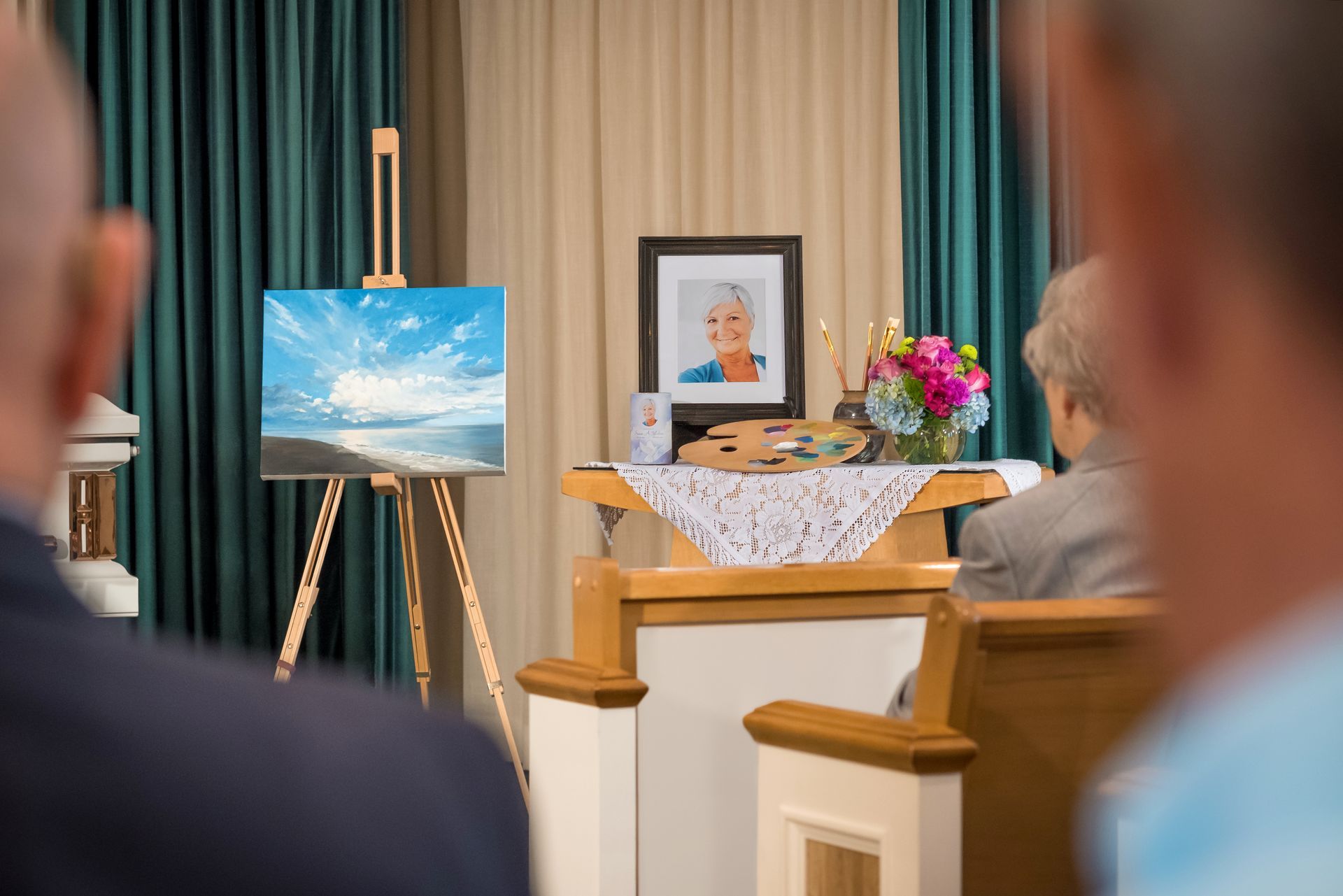
Think about how you want to honor your loved one
There is no single right way to hold a funeral or memorial service.
Consider what would have been meaningful to your loved one and your family. You may want to incorporate:
- Favorite photographs
- Music
- Readings or poems
- Personal belongings
- Hobbies and collections
- Military or civic honors
- Religious or cultural traditions
- Stories and memories
- Special foods or family traditions
The details don't have to be elaborate. Sometimes the simplest personal touches are the most meaningful.
Begin writing the obituary
An obituary can serve as both an announcement and a lasting tribute.
Consider including your loved one's:
- Full name
- Date and place of birth
- Date and place of death
- Family members
- Career or accomplishments
- Hobbies and interests
- Community involvement
- Military service
- Special memories
- Funeral or memorial service information
Ask another family member to review the obituary before it is published. During a time of grief, it's easy to overlook a name, date or other important detail.
Gather photographs and memorabilia
If your family is planning a photo display or tribute video, begin collecting photographs and videos.
Ask family and friends to share their favorite pictures and memories. You may also want to gather meaningful items that represent your loved one's life, such as awards, artwork, sports memorabilia, military items, books or other treasured possessions.
Before the Service
Determine who can help
You may need people to assist with things such as:
- Greeting guests
- Helping with a reception
- Decorating
- Providing transportation
- Caring for children or pets
- Managing flowers or donations
- Serving as pallbearers
Don't hesitate to delegate these responsibilities.
Share the service information
Once the date, time and location have been finalized, let family and friends know.
You may share the information through:
- Phone calls
- Text messages
- Social media
- The funeral home's online obituary
Consider a gathering after the service
Some families choose to gather for a meal or reception following the funeral or memorial service.
This can provide an opportunity for loved ones to continue sharing stories, offering support and spending time together.
There is no right or wrong way to do this. A gathering can be as simple as coffee and dessert at home or as formal as a catered reception.
After the Funeral
The practical responsibilities don't necessarily end when the funeral is over. In the weeks and months that follow, the person responsible for handling the estate may need to contact a number of organizations.
Depending on your loved one's circumstances, this may include:
Social Security and Veterans Affairs
Notify the appropriate agencies about the death and ask about any survivor benefits that may be available.
Insurance companies
Contact life, health, automobile, homeowners and other insurance providers as appropriate.
Banks and financial institutions
Financial institutions may need documentation of the death and information about the person authorized to manage the estate.
Attorney or estate professional
If your loved one had a will or significant assets, an attorney may be able to help with probate and other estate matters.
Tax professional
A tax professional can help determine what tax returns or other filings need to be completed for your loved one and their estate.
Utilities and service providers
Review recurring services such as:
- Electricity
- Gas
- Water
- Internet
- Phone
- Streaming services
- Subscriptions
Arrange for mail to be forwarded or otherwise managed so important documents and bills aren't missed.
Online accounts
Consider what should happen with your loved one's email, social media and other online accounts. Some services allow accounts to be memorialized, while others may have procedures for closing them.
Vehicle and property matters
Depending on the circumstances, you may need to address your loved one's driver's license, vehicle title, home, personal property and other assets.
You don't have to accomplish all of this immediately. Make a list and work through it gradually.
Most Importantly, Take Care of Yourself
There is no checklist that can tell you how to grieve.
Grief looks different for everyone, and there is no set timeline for when you should feel better. You may experience sadness, anger, confusion, guilt, relief or many different emotions at the same time.
Give yourself permission to grieve in your own way.
Lean on people you trust. Accept help when you need it. Talk about your loved one. Seek professional grief support if you feel it would be helpful.
And remember: you don't have to navigate the days following a death alone.
Our funeral professionals are here to help families understand their options, answer questions and take things one step at a time. When everything feels overwhelming, we're here to help you focus on what matters most: honoring the life of someone you love.



More Resources & Support